
How to Know When to Replace Your Garage Door Spring
- COMMERCIAL GARAGE DOOR REPAIR
- GARAGE DOOR OPENER INSTALLATION
- GARAGE DOOR SPRING REPAIR
- SAME-DAY GARAGE DOOR REPAIR
- CUSTOM GARAGE DOOR
- GARAGE DOOR OPENER REPAIR
- GARAGE DOOR TRACK REPAIR
- GARAGE DOOR CABLE REPAIR
- GARAGE DOOR PANEL REPAIR
- LOCAL GARAGE DOOR REPAIR
- GARAGE DOOR REPLACEMENT
- NOISY GARAGE DOOR FIX
- GATE REPAIR
- GARAGE DOOR INSTALLATION
- GARAGE DOOR SECTION REPLACEMENT
- OVERHEAD GARAGE DOOR REPAIR
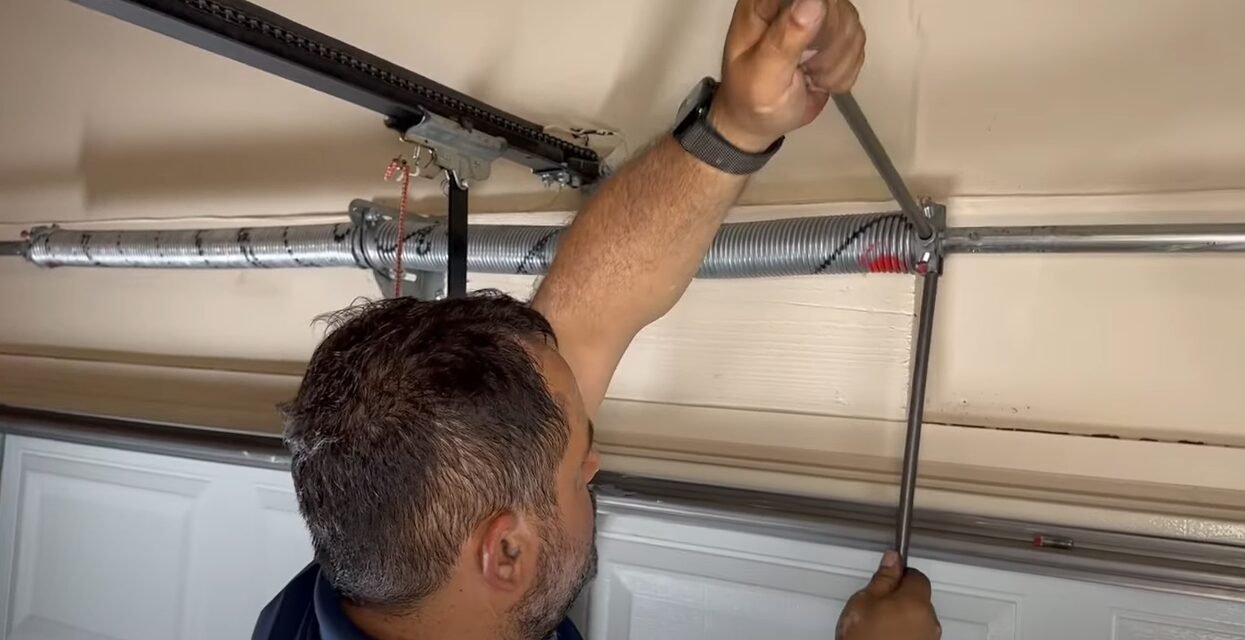
How to Know When to Replace Your Garage Door Spring
The springs on your garage door are the unsung heroes of the entire system, doing the heavy lifting each time you open and close the door. These high-tension components eventually wear out, and a failure can be both dangerous and inconvenient. Recognizing the early warning signs that you need a garage door spring replacement is crucial for preventing a sudden breakdown. At Local Garage Door Repair Company, we know that homeowners need to understand these indicators to ensure their home remains safe and accessible. This guide will help you identify when your springs are failing and explain the safest way to address the problem.
Telltale Signs of a Failing Garage Door Spring
Garage door springs are designed to last for a specific number of cycles—typically around 10,000 openings and closings. As they approach the end of their lifespan, they will begin to show clear signs of wear and tear. Paying attention to these clues allows you to act before the spring breaks completely, which can cause the door to slam shut unexpectedly. A proactive approach not only prevents a potentially dangerous situation but also avoids the stress of an emergency repair.
You Hear a Loud Bang from the Garage
One of the most definitive signs of a broken spring is a loud, sudden noise from your garage, often compared to a firecracker or gunshot. This sound is the result of the immense tension in the spring being released all at once as it snaps. When this happens, you will likely find that your garage door opener strains but cannot lift the door, or it may not move at all. You might also see a visible gap in the torsion spring, which is the large spring typically located on the metal bar above the closed garage door. If you hear this noise, do not attempt to operate the door.
The Door Feels Heavy or Looks Uneven
Even before a spring breaks, it can lose its tension and ability to properly counterbalance the weight of the door. If you disconnect the opener and try to lift the door manually, it may feel extremely heavy. A properly functioning system should allow you to lift the door with minimal effort. Another key indicator is a crooked or uneven door. When one of two extension springs breaks or weakens, the door will appear lopsided as it moves up and down the tracks. This imbalance puts significant strain on the opener and other components, leading to further damage if not addressed quickly.
The process of a garage door spring replacement is not a suitable DIY project due to the extreme danger involved. The springs are under immense tension, and mishandling them can result in serious injury or property damage. The safest and most effective solution is to call a professional. A trained technician has the specialized tools and expertise to replace the springs correctly and safely, ensuring your door operates smoothly and reliably. If you notice any of these warning signs, contact the experts at Local Garage Door Repair Company to schedule a professional inspection and replacement.